What is Working Memory?
Working memory is something that we all rely on, and likely struggle with, every single day. Yet few of us could define it. Whether you are trying to remember directions, recall items on a shopping list, or solve a complex problem, you’re using your working memory. But what is it?
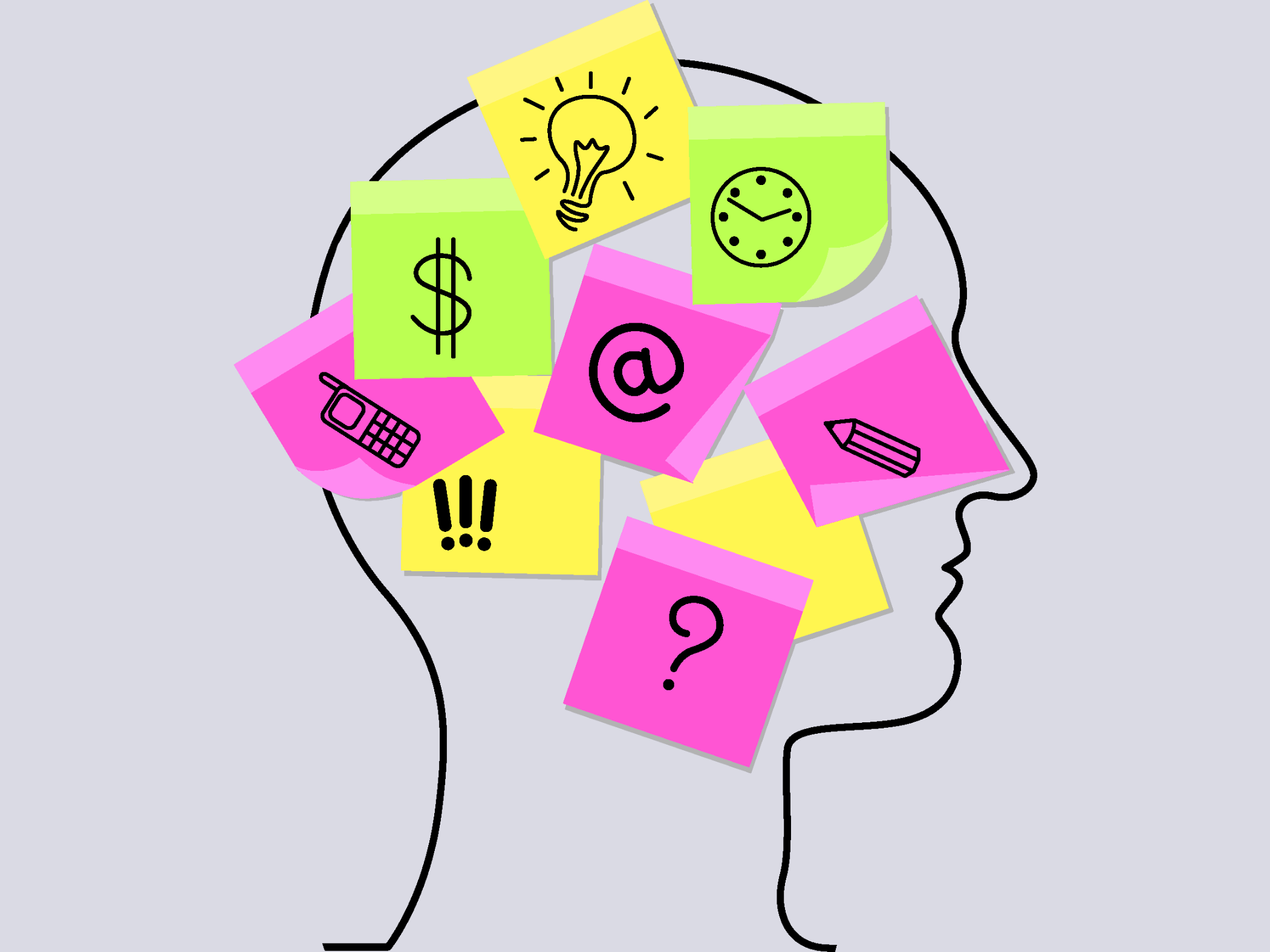
Many analogies have been used to describe working memory. Some call it a “mental scratchpad” where your brain temporarily jots down a few notes before they fade away. Others describe it as the “bottleneck in learning,” since it limits how much information we can meaningfully process at once. Still others think of it as a kind of “cognitive workspace” or a physical space in the brain (it’s not) that can hold only a few “bits” of information at once.
Each of these analogies captures part of the truth. Working memory is one of the brain’s executive functions, skills that help us manage information and tasks. It allows us to hold and manipulate information long enough to use it, which makes it essential for learning—and central to understanding how working memory affects learning in teens.
To understand how working memory operates, it helps to contrast it with long-term memory. While working memory is limited in both capacity and duration, long-term memory is essentially limitless. Researchers have yet to find a limit on how much or how long we can store information there.
Attention also plays a key role. It acts as a gateway through which new information enters the brain. When we pay attention to something, it moves into working memory, where it’s processed and linked to what we already know- our prior knowledge stored in our long-term memory. In this way, working memory is an active process: it selects information from long-term memory, combines it with new input, and reorganizes it to create meaning.
From there, new information can either fade away or become consolidated into long-term memory. In learning, our goal is to help students move information from working memory into long-term memory in ways that make it stick, is robustly encoded, and is easy to retrieve later. This process is especially important when considering how working memory affects learning in teens, as academic demands increase and cognitive load intensifies.
Connections with Neurodiversity
While everyone has limited working memory capacity, students with an identified learning difference are more likely to experience challenges with it. Estimates vary, but research suggests that roughly 80% of students with ADHD and 60-80% of students with dyslexia show some degree of working memory difficulty. This makes sense: when students are already working harder to decode, process, or organize information, more of their mental “workspace” is occupied, leaving less room to hold and manipulate new information.
Still, it’s important to remember that working memory challenges vary widely from student to student, even among those with the same diagnosis. A label such as ADHD or dyslexia does not automatically mean a student will struggle with working memory, and many students without any diagnosis may find it challenging at times. Each learner’s profile is unique.
The encouraging news is that once we understand what working memory challenges can look like, we can take concrete steps to support students. Research-informed strategies, many of them simple and easy to implement, can make a significant difference in helping learners manage cognitive load and build confidence—particularly during the teenage years, when understanding how working memory affects learning in teens can shape long-term academic success.

.png)







.png)